

A roof is your home’s first line of defense against the elements, shielding you from harsh weather conditions like rain, snow, and intense sunlight. Despite its crucial role, the roof is often the most overlooked component of home maintenance.
Many homeowners tend to ignore small roof leaks, considering them minor inconveniences, but these can quickly escalate into severe problems. Unaddressed leaks can lead to substantial structural damage, mold growth, and increased repair costs, which could have been avoided with timely intervention. This guide will help you identify common roof leaks and provide steps to address them before they escalate into major issues.
The importance of maintaining a healthy roof cannot be overstated. Not only does it contribute to the overall structural integrity of your home, but it also affects your home’s energy efficiency and property value. A well-maintained roof can prevent heat loss during winter and keep your home cool during summer, reducing energy costs. Moreover, in the long run, regular maintenance and prompt repairs can save you a significant amount of money, preserving your home’s value and ensuring the safety and comfort of its inhabitants.
Identifying Common Roof Leaks
Signs of a Roof Leak
Spotting a roof leak early can save you a lot of trouble and expense. Early detection allows you to tackle the problem before it worsens, reducing the risk of costly repairs. Look out for the following signs that may indicate a leak:
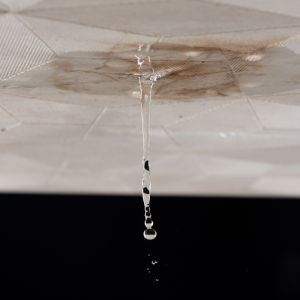
- Water Stains: Yellow or brown stains on your ceiling or walls are often the first visible signs of a leak, suggesting that water has been seeping into your home for some time.
- Dripping Water: Obvious drips or moisture during or after a rainstorm indicate an active leak, which needs immediate attention to prevent further water damage.
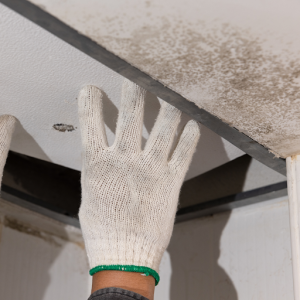
- Mold or Mildew: A musty odor or visible mold in your attic or ceiling often results from persistent moisture, which can affect your home’s air quality and residents’ health.
- Damaged Shingles: Missing or cracked shingles on your roof can allow water to penetrate the roofing material, leading to leaks.
- Peeling Paint: Bubbling or peeling paint on the walls or ceiling is a sign of water damage, which can lead to further structural issues if not resolved promptly.
Common Leak Sources
Understanding where leaks usually start can help you inspect and maintain your roof effectively, targeting the areas most prone to problems:
- Flashing Points: Areas where the roof meets a wall or chimney are vulnerable to leaks if the flashing is damaged or improperly sealed.
- Valleys: The V-shaped areas where two roof slopes meet are prone to water collection and leaks if not adequately waterproofed.
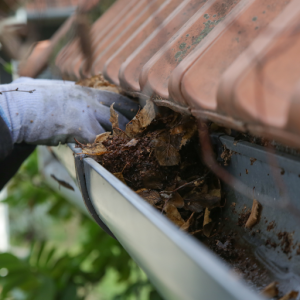
- Gutters: Blocked or overflowing gutters can cause water to back up and seep under the roofing material, leading to leaks.
- Skylights: Poorly sealed skylights are common leak sources, especially if the flashing around them is compromised.
- Vents and Pipes: Cracks or gaps around roof penetrations such as vents and pipes can allow water to enter the home, causing damage over time.
Addressing Roof Leaks
Signs of a Roof Leak
When you identify a leak, acting quickly is crucial to minimize damage and prevent further issues. Here’s a simple step-by-step process for emergency roof repair:
- Contain the Leak: Place buckets under the leak and cover valuables to prevent water damage. This immediate step will protect your belongings and minimize the mess.
- Identify the Source: Carefully inspect your roof to locate the leak source. This might involve checking the attic for water trails or examining the roof for visible damage.
- Temporary Fixes: Use a tarp or roofing cement as a temporary measure to stop the leak. These fixes can hold until a professional can make a permanent repair.
- Call a Professional: Contact a roofing expert for a permanent repair solution. A professional will have the skills and tools to fix the issue properly and ensure it doesn’t recur.
Repairing Roof Leaks
Depending on the severity and location of the leak, different repair methods may be necessary. Understanding these options can help you decide the best course of action:
- Shingle Replacement: For missing or damaged shingles, remove the old shingle and nail a new one in place. This is a straightforward fix that can prevent water from seeping into the roof.
- Flashing Repair: Reseal or replace flashing around chimneys and vents to prevent leaks. Flashing is critical in directing water away from vulnerable areas.
- Gutter Cleaning: Regularly clean gutters to prevent water overflow that can cause leaks. This simple maintenance task can prevent significant water damage.
- Sealant Application: Apply roof sealant to cracks or gaps to prevent water infiltration. Sealants can provide a quick and effective barrier against moisture.
Preventative Measures
Regular Roof Maintenance
Preventing roof leaks starts with regular maintenance. Consistent care and attention can extend the life of your roof and prevent common issues:
- Schedule Inspections: Have a professional inspect your roof at least once a year. Regular inspections can catch potential problems early, avoiding costly repairs.
- Clean Debris: Remove leaves and debris from the roof and gutters. This prevents water buildup and ensures proper drainage.
- Trim Trees: Keep trees trimmed to prevent branches from damaging your roof. Overhanging branches can scratch and puncture roofing materials.
- Check for Damage: After severe weather, inspect your roof for any damage. High winds and heavy rain can cause immediate and visible harm to your roof.
Investing in Quality Materials
Using high-quality roofing materials can significantly extend the lifespan of your roof and reduce the likelihood of leaks. Quality materials provide better protection against the elements:
- Opt for durable materials that can withstand harsh weather conditions. High-quality shingles, flashing, and sealants can offer long-term peace of mind.
- Investing in quality roofing materials may have a higher upfront cost but will save you money on repairs and replacements in the long run. They reduce the frequency of maintenance and enhance the roof’s performance and appearance.
When to Call a Professional
While minor repairs can be a DIY project, more complex issues require a professional’s expertise. Understanding when to call a professional can prevent further damage and ensure repairs are done correctly:
- If you’re unsure about the source of a leak or the extent of the damage, it’s best to call a roofing professional. They can provide an accurate assessment and recommend the best course of action.
- Professionals have the experience and tools needed to handle complex repairs safely. Trying to fix serious issues on your own can lead to more damage and higher costs.
Conclusion
Roof leaks are common but manageable if addressed promptly. By understanding how to identify leaks and taking swift action, you can protect your home from severe damage and costly repairs. Regular maintenance and professional inspections are key to ensuring your roof remains a strong barrier against the elements.
Remember, when in doubt, it’s always better to consult a professional to ensure your roof repairs are done correctly and safely. By keeping your roof in good condition, you safeguard the integrity of your entire home. A proactive approach to roof maintenance not only protects your investment but also provides peace of mind, knowing your home is well-protected from the elements.
If you suspect a leak or need expert roofing services, JDM Roofing is here to help! Contact us today for a professional inspection and reliable roof repair solutions you can trust.