
Hailstones can range in size from tiny pellets to as large as a softball, and the damage they cause varies accordingly. The potential for destruction increases with the size of the hail, and roofs are particularly vulnerable because they take the brunt of the impact.
Hail damage can manifest as dents in shingles, cracked tiles, or even roof punctures, leading to leaks and structural issues if left unaddressed. The severity of the damage depends not only on the size but also on the wind speed and direction, which can cause hailstones to hit surfaces with greater force.
Furthermore, the type of roofing material can significantly influence how much damage is sustained. Recognizing the signs of hail damage early can prevent minor issues from escalating into major, costly repairs.
Before the Storm: Preparation Tips
Taking proactive measures before a storm hits can reduce potential damage and make the repair process smoother. Being prepared is your first line of defense against the unpredictable nature of hailstorms, and it starts with a few key actions.
Conduct Regular Roof Inspections
Regular inspections by a qualified roofing contractor are crucial for maintaining your roof’s integrity. These inspections should ideally be conducted biannually, in the spring and fall, to address any wear and tear before extreme weather conditions. Look for signs of wear and tear, such as missing or damaged shingles, which can become entry points for hail damage.
Identifying and addressing these issues early can prevent more extensive damage during a storm. Inspections can also reveal other vulnerabilities, like loose flashing or clogged gutters that might exacerbate hail damage.
Reinforce Vulnerable Areas
Consider reinforcing areas of your roof that are particularly susceptible to hail damage. This may involve installing impact-resistant shingles or additional protective layers. Impact-resistant materials are designed to absorb the energy of hail impacts without breaking, providing an extra layer of security.
Consult a roofing contractor to determine the best options for your specific roof type and local weather conditions. They can offer insights into the latest materials and technologies that provide enhanced protection against hail.
During the Storm: Safety First
While the storm is happening, your primary concern should be your family’s safety. Hailstorms can be dangerous, with flying debris posing a risk of injury. Stay indoors and away from windows, as shattered glass can cause harm, and avoid going outside to assess damage until the storm has passed and it’s safe to do so.
Ensure you have emergency supplies, like flashlights and a battery-operated radio, handy in case of power outages. Having a storm safety plan in place can help keep your family calm and organized during the chaos.
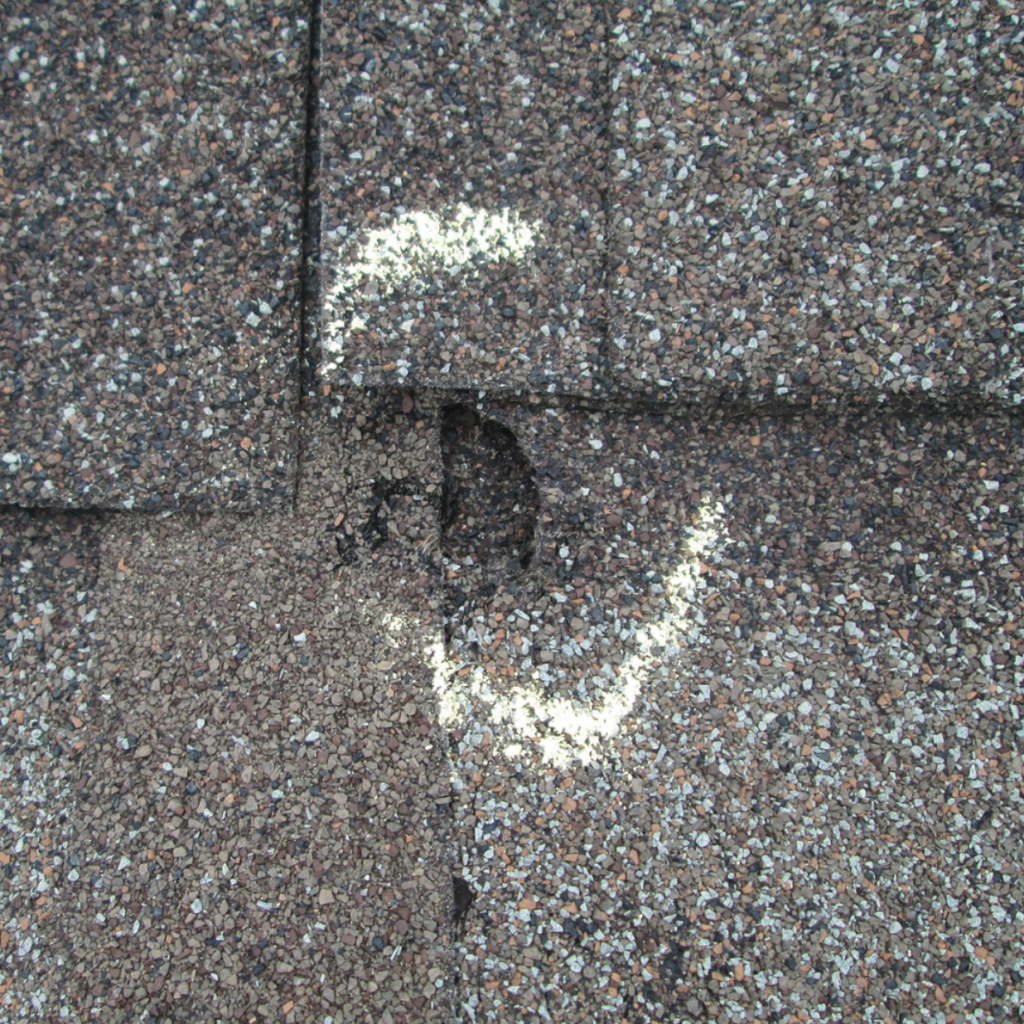
After the Storm: Assessing and Repairing Damage
Once the storm has passed, assess the damage and initiate repairs. Acting quickly can prevent further deterioration and help restore your home to its pre-storm condition.
Conduct a Visual Inspection
Carefully inspect your roof from the ground using binoculars to spot any obvious signs of damage such as dented gutters, missing shingles, or damaged vents. This initial assessment can help you gauge the extent of the damage without risking injury by climbing onto the roof. Avoid climbing onto the roof yourself, as it may be unsafe, especially if there are structural weaknesses or slippery conditions. If you suspect significant damage, wait for a professional inspection.
Document the Damage
Take detailed photographs of any visible damage. These photos will be helpful when discussing repairs with a roofing contractor. Documenting the damage thoroughly ensures you have a comprehensive record of the storm’s impact. Include close-ups and wide-angle shots to capture the detail and scope of the damage.
Contact a Roofing Contractor
Reach out to a reputable roofing contractor for a professional assessment. They can provide a comprehensive evaluation of the damage and an estimate for repair. Look for contractors with experience in hail damage roof repair and check their references and reviews to ensure quality work. A professional assessment will also include recommendations for preventing future damage, providing you with a long-term solution rather than a quick fix.
Temporary Repairs
If there are immediate threats to your home’s interior, such as leaks, have the contractor perform temporary repairs to prevent further damage. This might include tarping the roof or sealing leaks until permanent repairs can be made. Temporary measures can prevent water from entering your home, protecting your belongings and reducing the risk of mold or structural damage.
Preventing Future Hail Damage
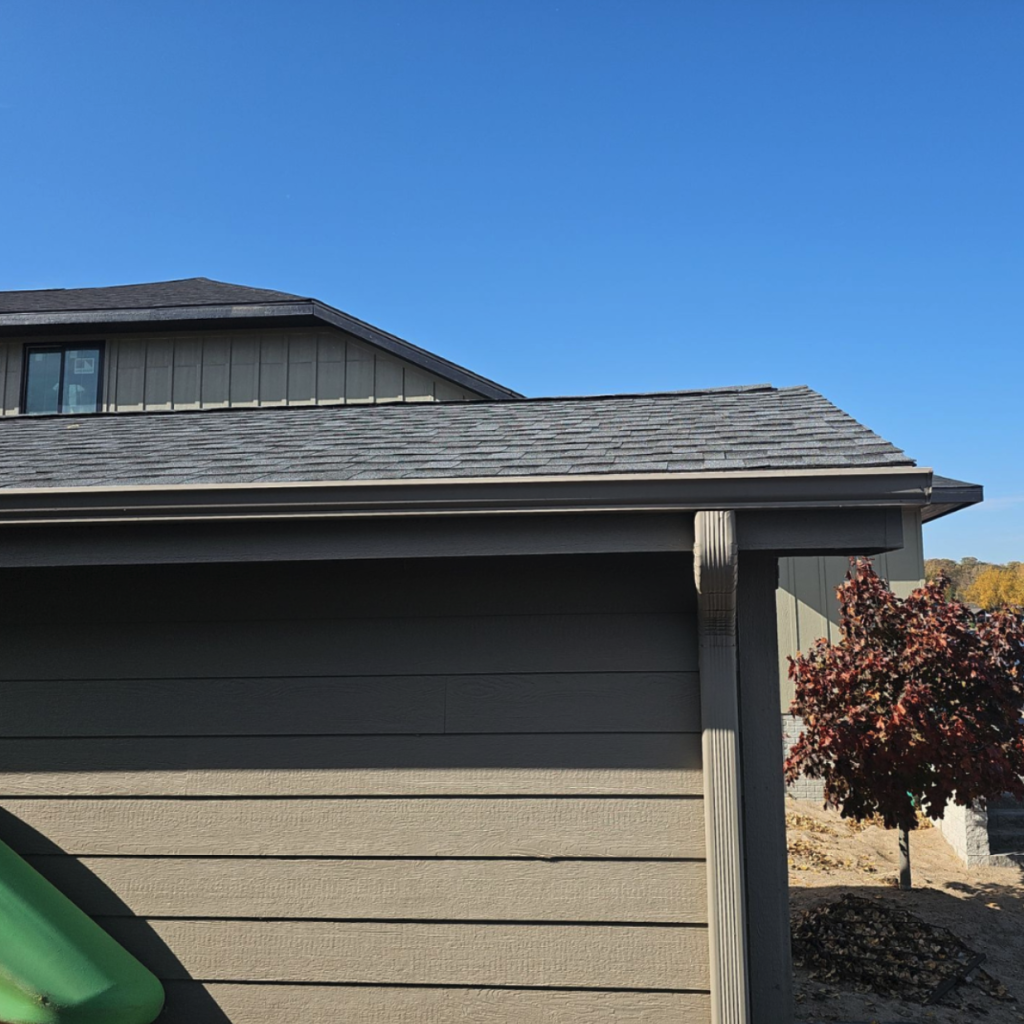
Once repairs are complete, consider additional measures to protect your roof from future hail damage. Investing in preventative measures can save you time and money in the long run.
Install Impact-Resistant Roofing Materials
Upgrading to impact-resistant shingles or tiles can provide added protection against hail. These materials are designed to withstand the force of hailstones, reducing the likelihood of damage. Impact-resistant roofing materials often come with extended warranties, offering additional peace of mind. Discuss with your contractor about the best options for your climate and roof type.
Regular Maintenance
Schedule regular roof maintenance and inspections to catch potential issues early. Keeping your roof in good condition will help it withstand severe weather and prolong its lifespan. Regular maintenance can include cleaning gutters, checking for and repairing minor damage, and ensuring all roofing components are functioning correctly. Establish a maintenance schedule with your contractor to ensure your roof remains in top condition year-round.
Conclusion
Dealing with hail damage can be daunting, but by taking proactive steps and knowing what to do in the aftermath of a storm, you can protect your home and ensure timely, effective repairs. Preparation and quick action are your best defenses against the expensive impacts of hail damage.
Remember to engage a reputable roofing contractor, document the damage thoroughly, and consider preventative measures to safeguard your roof against future storms. Being prepared can make all the difference when it comes to protecting your home from the unpredictable nature of summer storms.
If your Omaha home has recently been impacted by hail, trust the local experts at JDM Roofing to guide you through the repair process. From inspections to full roof replacements, we’re here to restore your peace of mind—one shingle at a time.